
Hair Growth Tips for Women. Most hair growth advice is written like everyone’s hair works the same way. It doesn’t. Women deal with hormonal shifts, monthly cycles, pregnancy, postpartum recovery, and perimenopause that men don’t, and those shifts have a real, measurable effect on how hair grows, sheds, and feels.
If you’ve ever felt like your hair “used to be so much thicker” or noticed sudden changes in shedding after a major life event, you’re not imagining it. Below are 12+ tips that go beyond generic “eat your vegetables” advice and actually account for what’s happening inside your body at different stages of life.
Why Women’s Hair Growth Is Different
Estrogen and progesterone both play a role in keeping hair in its active growth phase for longer. When those hormone levels shift during your cycle, pregnancy, postpartum recovery, or perimenopause hair can move into its shedding phase more quickly than usual. That’s why so many women notice changes in thickness, texture, or shedding tied to specific life stages rather than a steady, predictable pattern.
Understanding this is the first step to actually working with your hair instead of feeling confused by it.
Learn Your Personal Shedding Pattern
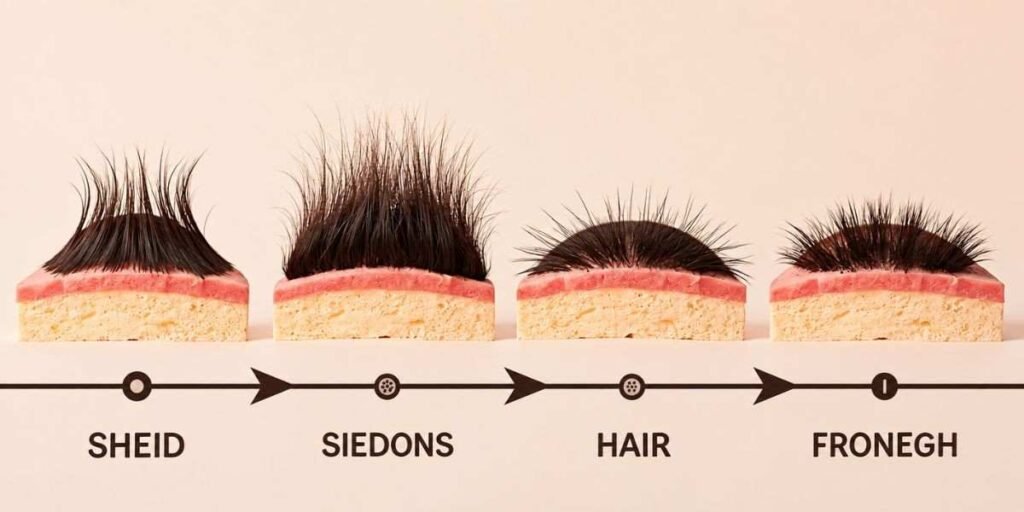
Before you can tell if something’s wrong, you need to know what’s normal for you. Everyone sheds hair daily as part of the natural growth cycle; the amount just varies person to person and month to month.
What to do: pay attention to whether shedding is gradual and consistent or a sudden, noticeable increase the second is more worth mentioning to a doctor.
Support Your Body Through Postpartum Hair Changes
If you’ve had a baby, you may already know this one firsthand: many women feel like their hair has never been thicker during pregnancy, then experience noticeably increased shedding a few months after delivery. This is often related to telogen effluvium, a type of hair loss where shedding increases in response to a change in the body, and it typically shows up about three to four months after the hormonal shift.
U.S. Dermatology Partners
The good news: this type of postpartum shedding is generally temporary and tends to resolve as hormones stabilize over the following months.
Prioritize Iron-Rich Foods

Low iron is one of the most common and most fixable contributors to hair thinning in women, especially after childbirth or during heavier menstrual cycles. Iron helps prevent anemia, which can reduce oxygen delivery to tissues including the scalp and contribute to excessive shedding.
tuasaude
Easy sources: beans, lean red meat, spinach, and fortified cereals. Pairing iron-rich foods with vitamin C can help improve absorption.
Read More: 11+ Proven Tips on How to Grow Hair Faster (and Actually Keep It Long)
Get Enough Protein for Keratin Production
Hair is structurally built from keratin, a protein, which means adequate protein intake directly supports how strong and resilient each strand grows in. Protein supplies the amino acids essential for producing keratin and may help ease shedding during periods of hormonal change.
tuasaude
Simple targets: eggs, fish, lean meats, or legumes at most meals.
Pay Attention to Zinc and Vitamin A

Both of these nutrients play a supporting role in healthy hair follicles. Zinc is involved in keratin synthesis, supporting hair development and strength, while vitamin A helps nourish hair follicles and may support new growth.
tuasaude
Where to find them: zinc in nuts and lean beef; vitamin A in carrots and leafy greens like spinach.
Watch for Thyroid-Related Shedding
Thyroid imbalances are more common in women and can show up as hair changes long before other symptoms are obvious. If you’re experiencing unexplained shedding alongside fatigue, weight changes, or mood shifts, it may be worth asking your doctor about a thyroid panel.
Why this matters: thyroid-related hair loss usually needs medical treatment rather than diet or styling changes to resolve.
Understand Perimenopause and Menopause Hair Changes
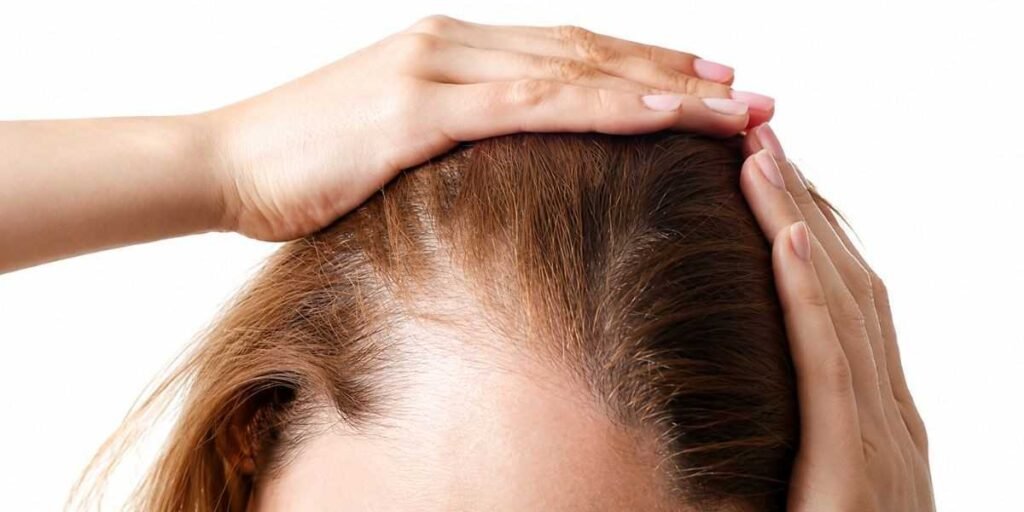
As estrogen levels decline during perimenopause and menopause, hair can shift into its shedding phase more quickly, often showing up as thinning at the part line or crown rather than all-over loss. Because estrogen normally prolongs the growth phase of the hair cycle, a drop in this hormone can also allow male sex hormones already present in the body to have more of an impact, contributing to further thinning.
Wimpole Clinic
What can help: a gentle, biotin- or keratin-supporting hair care routine, a nutrient-rich diet, and a conversation with your doctor if thinning feels significant, since treatable causes are common at this stage too.
Choose Low-Tension Hairstyles
Tight ponytails, buns, and braids create ongoing pull at the follicle, which can worsen shedding, especially during hormonal transitions when hair is already more vulnerable. Avoiding tight hairstyles that increase pressure on the follicles can help reduce unnecessary breakage and shedding.
U.S. Dermatology Partners
Easy switch: rotate your part, loosen your everyday styles, and save tighter looks for special occasions only.
Be Thoughtful with Chemical Treatments
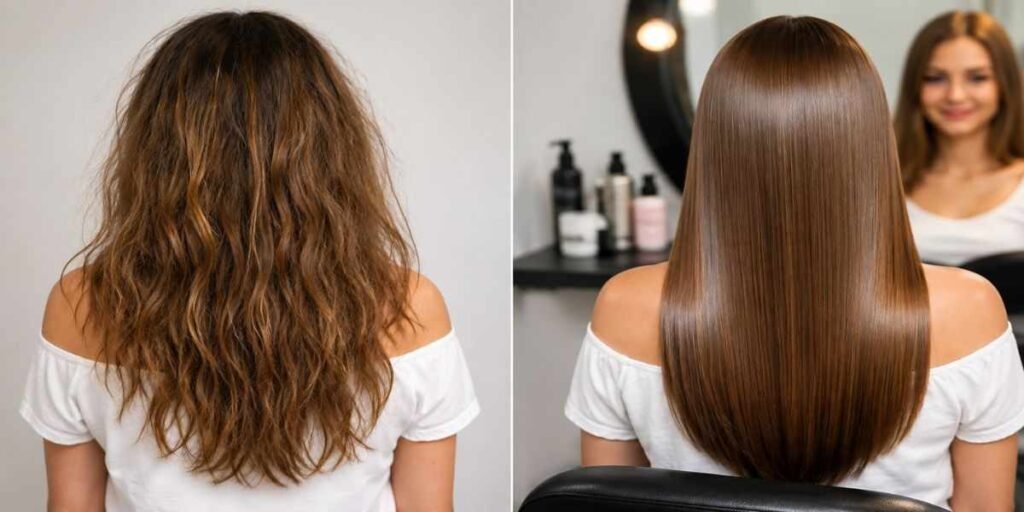
Relaxers, perms, and frequent coloring can all add cumulative stress to the hair shaft. This doesn’t mean giving them up entirely, but spacing them out and following up with deep conditioning treatments helps offset the damage.
A good rule of thumb: if you’re already noticing more shedding than usual, it’s worth giving your hair a break from chemical processing until things stabilize.
Massage Your Scalp Consistently
A simple, free habit that supports circulation to the follicles. Gently massaging the scalp in small circular motions for 5–10 minutes, a few times a week, can help stimulate blood flow to the area.
Bonus: it’s also genuinely relaxing, which ties into the next tip.
Manage Stress and Cortisol Levels

Chronic stress affects hormone balance throughout the body, and hair is often one of the first places that shows it. Keeping stress levels in check matters because reduced hormone balance can affect brain chemistry and mood, which in turn can affect overall wellbeing and hair health.
Healthline
What helps: consistent sleep, movement, and any stress-reduction practice that actually fits into your life rather than adding more pressure to it.
Sleep on Silk or Satin
Cotton pillowcases create friction that can lead to breakage and frizz overnight, especially if your hair is already more fragile due to hormonal changes. Silk or satin pillowcases (or a bonnet) reduce that friction significantly.
Stay Consistent with Trims
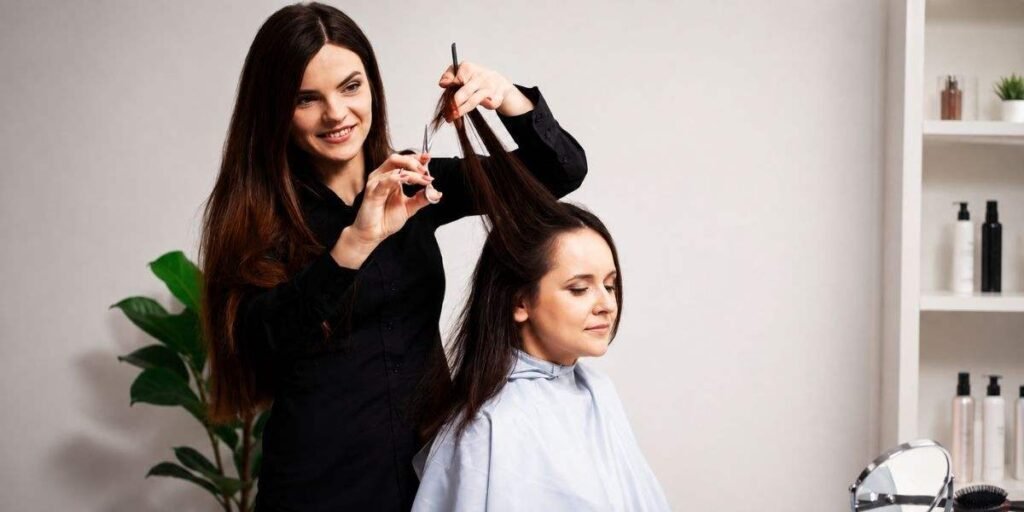
Keeping up with trims every 8–12 weeks removes split ends before they travel up the hair shaft and cause more breakage, a simple habit that protects the length you’re already growing.
Know When to See a Doctor
Hormonal hair changes are common, but they’re not something you have to just accept without support. Iron deficiency, thyroid disorders, nutritional deficiencies, chronic stress, and certain medications can all contribute to hair loss in women, and a medical evaluation may help identify treatable causes.
The Pause Life
When to reach out: if shedding is sudden, significant, or paired with other symptoms like fatigue or irregular cycles, a doctor or dermatologist can help pinpoint the actual cause rather than guessing.
Building a Hormone-Aware Hair Routine
Putting it together doesn’t need to be complicated:
- Daily: gentle detangling, silk pillowcase or bonnet, minimal tension styling
- Weekly: 2–3 scalp massages, one deep conditioning treatment
- Ongoing: iron- and protein-rich meals, stress management, consistent sleep
- Every 8–12 weeks: a trim
- As needed: a conversation with your doctor if you notice sudden or significant changes
Frequently Asked Questions
Is postpartum hair loss permanent?
For most women, postpartum shedding is temporary and improves as hormones stabilize, typically within several months to a year.
Can diet alone fix hormonal hair thinning?
Diet can support healthy hair growth and address nutrient-related shedding, but hormonal causes like thyroid conditions or menopause-related thinning often benefit from a medical evaluation as well.
Does hair loss during menopause grow back on its own?
It varies. Some women see natural improvement as hormones stabilize, while others benefit from additional support which is why discussing changes with a doctor is worthwhile if thinning feels significant.
What’s the biggest difference between women’s and men’s hair loss?
Women’s hair loss is more often diffused thinning across the scalp rather than a receding hairline or bald spots, and it’s frequently tied to hormonal shifts rather than genetics alone.
Final Thoughts
Your hair doesn’t grow in a vacuum, it responds to what’s happening in your body, month to month and stage to stage. Understanding the hormonal side of hair growth doesn’t just explain the changes you’ve noticed; it also points you toward the habits and, when needed, the medical support that actually makes a difference.
