
Grow Hair Faster. Waiting for your hair to grow can feel like watching paint dry. You trim an inch, promise yourself you won’t touch scissors again, and somehow six months later it feels like nothing’s changed. Sound familiar?
Here’s the truth nobody wants to hear first: you can’t physically speed up how fast your hair grows out of your scalp. But you can control almost everything else the breakage, the split ends, the damage that keeps snapping your length off before it ever gets a chance to show. That’s where real progress happens.
Below are 11+ tips that actually move the needle, backed by what dermatologists, trichologists, and stylists consistently recommend. No miracle promises just the habits that help your hair reach its full length instead of breaking off along the way.
Quick Reality Check: How Fast Does Hair Actually Grow?
On average, hair grows about half an inch per month, or roughly six inches a year, though this varies from person to person based on genetics, age, and overall health. You can’t override that biological pace but you can absolutely stop losing length to breakage, which is usually the real reason hair “won’t grow.”
1. Get Regular Trims
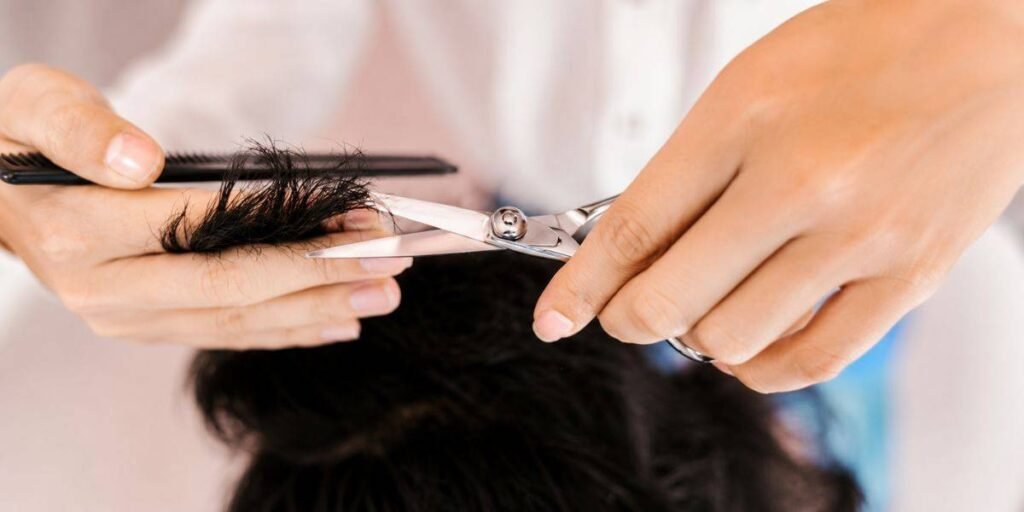
It sounds backwards, but trimming your ends every 8–12 weeks is one of the best things you can do for length retention. Split ends don’t stay put eft untreated, they travel up the hair shaft and cause more breakage over time, which means you lose far more length than a small trim would have cost you.
The takeaway: a small, regular trim now prevents a much bigger chop later.
2. Eat a Protein-Rich, Balanced Diet
Hair is made almost entirely of a protein called keratin, so what you eat plays a direct role in how strong each strand grows in. Incorporating protein-rich foods like eggs, fish, beans, and lean meat, along with iron, zinc, biotin, and omega-3 fatty acids, gives your follicles the building blocks they need.
Easy wins: add leafy greens, nuts, and fatty fish to your weekly meals, and stay consistently hydrated dehydration affects hair just as much as skin.
3. Massage Your Scalp Regularly

Scalp massages are one of the simplest, most accessible tips on this list, and there’s a good reason they keep showing up in every hair growth guide: scalp massages can enhance blood flow and strengthen hair roots when done consistently.
How to do it: Using your fingertips (not nails), massage in small circular motions for 5–10 minutes, either while shampooing or with a lightweight oil on dry hair.
Read More: 13+ Hair Loss Treatment Options for Women (A Complete 2026 Overview)
4. Minimize Heat Styling
Every pass of a flat iron, curling wand, or blow dryer on high heat adds a small amount of damage that accumulates over time. That damage shows up as breakage — which directly undercuts your length goals.
Simple swap: air-dry when you can, always apply a heat protectant before styling, and try to keep hot tools to special occasions rather than a daily habit.
5. Handle Wet Hair Gently

Hair is at its most fragile and stretchy when it’s wet, which makes rough towel-drying or aggressive brushing one of the sneakiest causes of breakage.
Do this instead: blot hair with a microfiber towel or soft cotton t-shirt instead of rubbing, and detangle with a wide-tooth comb starting from the ends and working up.
6. Use Gentle, Sulfate-Free Hair Care Products
Harsh sulfates and heavy alcohols can strip natural oils and leave hair drier and more prone to snapping. Switching to sulfate-free shampoos and lightweight, moisturizing conditioners helps keep the hair shaft flexible instead of brittle.
What to look for: ingredients like aloe vera, argan oil, or keratin-based formulas tend to be gentler on both hair and scalp.
7. Protect Hair From Sun and Environmental Damage

UV rays, chlorine, and pollution can all weaken the hair shaft over time, just like they do to skin. This is an easy factor to overlook, especially in the summer months.
Simple habits: wear a hat or scarf during long sun exposure, rinse your hair after swimming, and consider a leave-in conditioner with UV protection if you’re outdoors often.
8. Avoid Tight Hairstyles and Constant Tension
Tight ponytails, buns, and braids that pull consistently at the same spot can lead to traction and breakage right at the hairline over time.
Easy fix: rotate your parting and hairstyle regularly, choose looser styles for everyday wear, and save the sleek, tight looks for occasions rather than daily rotation.
9. Manage Your Stress Levels

Stress doesn’t just affect your mood high stress levels can disrupt hair growth, and chronic stress has been linked to increased shedding and slower regrowth cycles.
What helps: prioritizing sleep, regular movement, and any stress-management routine that genuinely works for you (even 10 minutes of quiet each day counts).
10. Stay Hydrated
It’s easy to forget that hair, like skin, benefits from proper hydration. Dehydrated hair tends to look duller and can be more prone to breakage, especially at the ends.
Simple target: consistent water intake throughout the day, rather than trying to “catch up” with one large glass before bed.
11. Sleep on Silk or Satin

Cotton pillowcases create friction that can lead to tangling, frizz, and breakage overnight especially for textured or fragile hair. Satin and silk pillowcases (or a silk scarf/bonnet) significantly reduce that friction.
Bonus: this small swap also helps preserve blowouts, braids, and curls between wash days.
12. Incorporate Scalp Oils or Growth Serums
Lightweight oils like rosemary, castor, or jojoba are popular additions to a hair growth routine, often used during scalp massages to add slip and reduce friction. While no oil can override your genetic growth rate, a healthy, well-moisturized scalp is a better environment for hair to grow in.
How to use them: apply a small amount directly to the scalp a few times a week rather than saturating the strands, which can lead to buildup.
13. Know When to See a Dermatologist
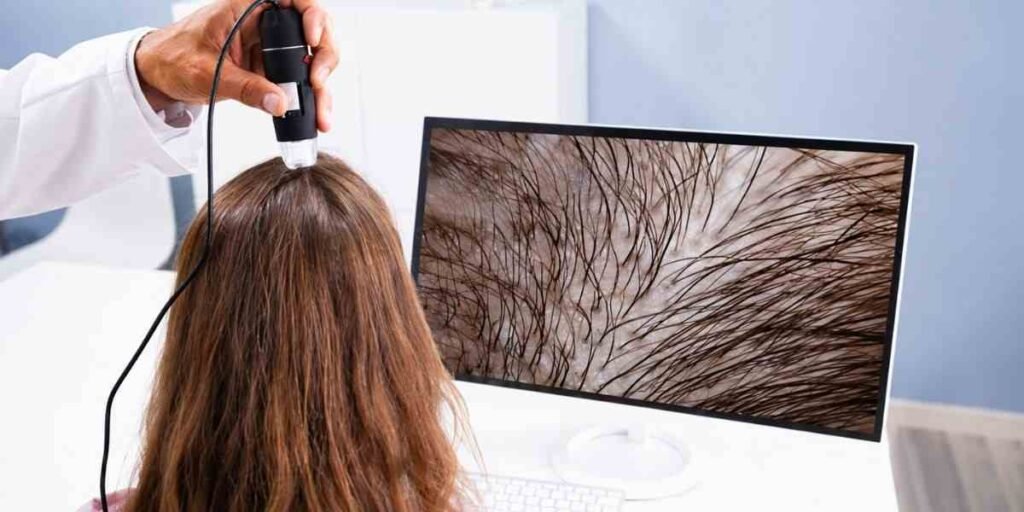
If you’re noticing significant shedding, patchy thinning, or hair that simply isn’t growing despite consistent healthy habits, it may be worth having a dermatologist or trichologist take a look. A doctor can identify underlying causes such as hormonal imbalances or nutritional deficiencies and suggest treatments to promote healthy hair growth.
Why this matters: some causes of slow growth or shedding are medical, not cosmetic, and no amount of oiling or trimming will fix an underlying issue that needs professional attention.
Bonus Tip: Be Patient and Consistent
Every tip on this list works cumulatively, not overnight. Hair growth is a slow, biological process, and the habits that actually protect your length gentle handling, regular trims, a balanced diet need weeks or months of consistency before you’ll see a visible difference.
How to Build a Simple Hair Growth Routine
Putting it all together doesn’t have to be complicated. A simple weekly routine might look like:
- Daily: gentle detangling, silk pillowcase or bonnet at night, minimal heat styling
- 2–3x per week: scalp massage with a lightweight oil
- Weekly: deep conditioning treatment, especially if you color or heat style often
- Every 8–12 weeks: a trim to remove split ends before they travel up the shaft
Frequently Asked Questions
Can you actually make hair grow faster, or just retain length better?
For most people, it’s mostly about length retention reducing breakage so more of the hair you’re already growing makes it to a longer length, rather than snapping off along the way.
How much does hair grow in a month?
On average, hair grows about half an inch per month, though this varies based on genetics, age, and overall health.
Do hair growth vitamins actually work?
They can help if you have a genuine nutritional deficiency contributing to slow growth or shedding, but they aren’t a substitute for a balanced diet, and it’s worth talking to a doctor before starting any new supplement.
Is it true that cutting your hair makes it grow faster?
No — cutting hair doesn’t affect the growth rate at the scalp, but regular trims prevent split ends from traveling up the shaft, which helps you retain more length overall.
Final Thoughts
Growing your hair out isn’t about finding a secret trick that overrides your biology; it’s about protecting the length you’re already growing so it has a chance to show. Trim regularly, eat well, handle your hair gently, and be consistent, and you’ll see the difference add up month after month.
