
Hair Loss Treatment Options: Finding more hair on your pillow, in the shower drain, or on your brush is unsettling , and if you’ve started googling for answers, you’ve probably noticed that most hair loss content is written for men. Female hair loss is different in almost every way: how it shows up, what causes it, and which treatments actually help.
The good news is that women now have more evidence-based options than ever before. Roughly a third of women experience hair loss at some point in their lifetime, with that number climbing significantly after menopause, yet research and treatment options for women have historically lagged behind those available to men. That gap is finally closing.
Shapiromedical
This guide walks through 13+ treatment options currently used for female hair loss, from simple over-the-counter solutions to advanced clinical procedures so you can have an informed conversation with a dermatologist about what might work for you.
Why Getting a Diagnosis Comes First
Before trying any treatment, it’s worth understanding why your hair is thinning, because the right approach depends entirely on the cause. Iron deficiency, thyroid disorders, chronic stress, hormonal shifts, and certain medications can all contribute to hair loss in women, and a medical evaluation can help identify which of these are actually at play.
The Pause Life
A dermatologist can run bloodwork, examine your scalp, and rule out or confirm specific causes before recommending a treatment path. Skipping this step often means spending money on products that were never going to address your actual cause.
Topical Minoxidil
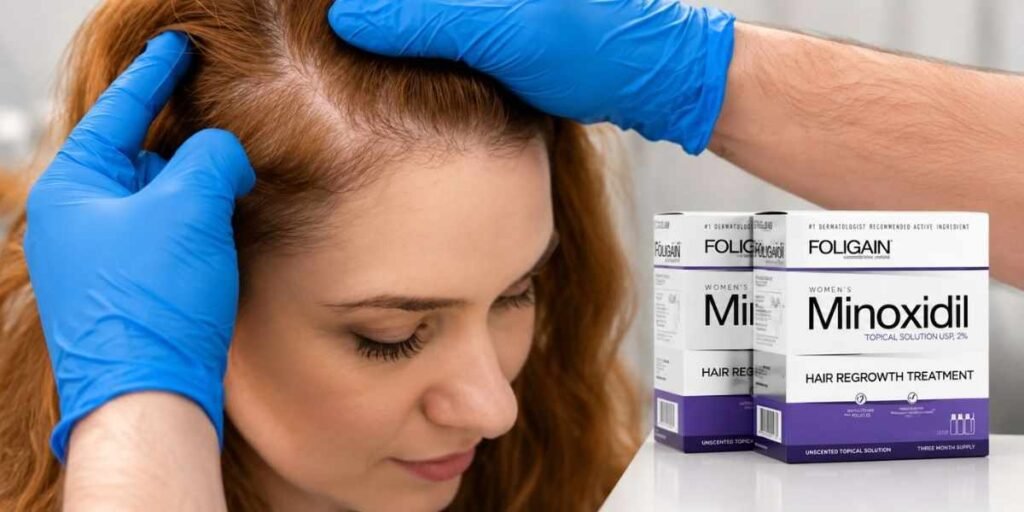
This remains the most well-established option for female pattern hair loss. Topical minoxidil is currently the only medication specifically FDA-approved for treating hair loss in women.
Shapiromedical
How it’s thought to work: it widens scalp blood vessels and helps reactivate follicles that have shrunk due to pattern hair loss.
What to expect: results take time and consistent use. According to the American Academy of Dermatology, it usually takes 6 to 12 months of consistent daily application to see visible regrowth.
ProMD Health
Important to know: minoxidil manages the condition rather than curing it, meaning results typically fade if you stop using it.
Low-Dose Oral Minoxidil
An oral pill form of minoxidil has become increasingly used for female hair loss in recent years. Low-dose oral minoxidil is taken as a pill but used off-label for hair loss, unlike the FDA-approved topical version.
La Belle Vie Clinic
Who might consider it: some women find oral minoxidil more convenient than a daily topical application, though it requires a prescription and monitoring by a doctor due to potential systemic side effects.
Platelet-Rich Plasma (PRP) Therapy
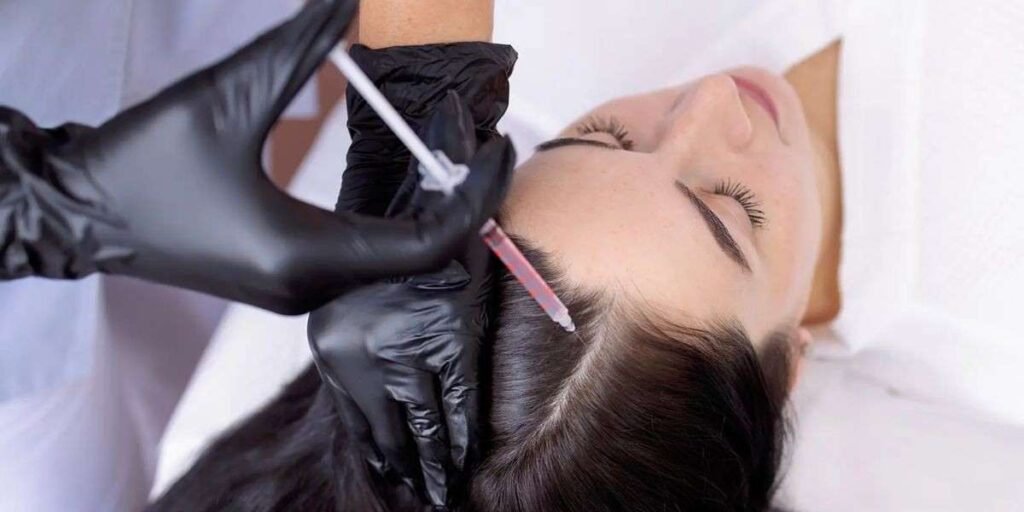
PRP involves drawing a small amount of your own blood, concentrating the growth factors, and injecting the solution into the scalp to stimulate follicle activity.
What the research shows: in women with diffuse thinning, PRP has demonstrated improvements in both hair density and hair shaft thickness, with studies showing 60–80% of patients experiencing some degree of improvement.
Shapiromedical
What it involves: a typical protocol includes 3–4 initial sessions spaced several weeks apart, followed by maintenance sessions roughly every 6–12 months.
Read More: 11+ Quick Hairstyles for School That Take 5 Minutes or Less
Low-Level Laser Therapy (LLLT)
LLLT devices often available as combs, caps, or helmets use red light therapy to stimulate follicles and are typically used at home in addition to other treatments.
Best used as: a supportive, lower-risk option that’s often combined with minoxidil or PRP rather than used entirely on its own.
Microneedling
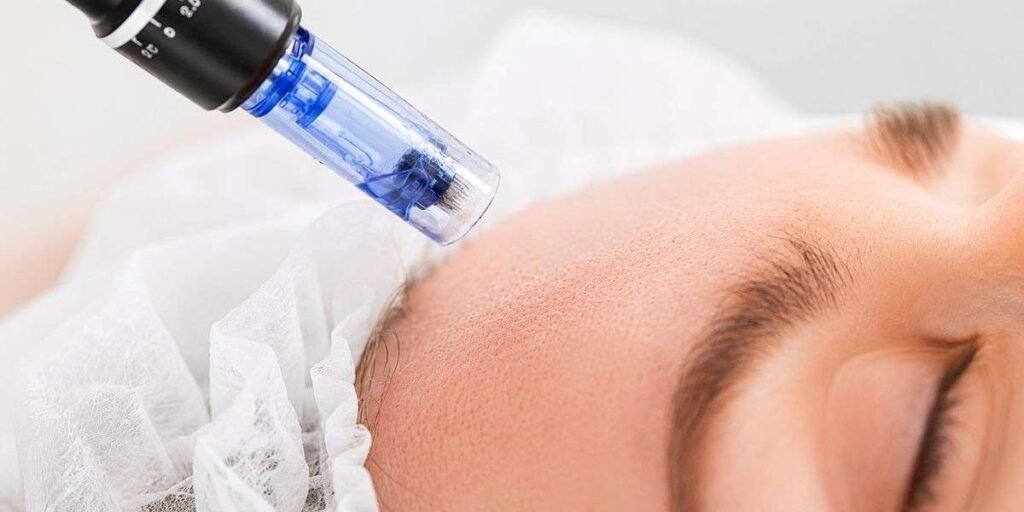
This technique uses fine needles to create tiny, controlled punctures in the scalp, which may enhance the absorption of topical treatments like minoxidil and stimulate a mild healing response that supports follicle activity.
Often paired with: topical minoxidil, since the two are frequently used together in clinical protocols.
Correcting Nutritional Deficiencies
Sometimes hair loss isn’t a standalone condition it’s a symptom of something else, like low iron, vitamin D, or zinc. Correcting a genuine deficiency, confirmed through bloodwork, can meaningfully improve shedding.
Why bloodwork matters here: taking supplements without a confirmed deficiency rarely helps and can occasionally cause other imbalances.
Treating Underlying Thyroid Conditions
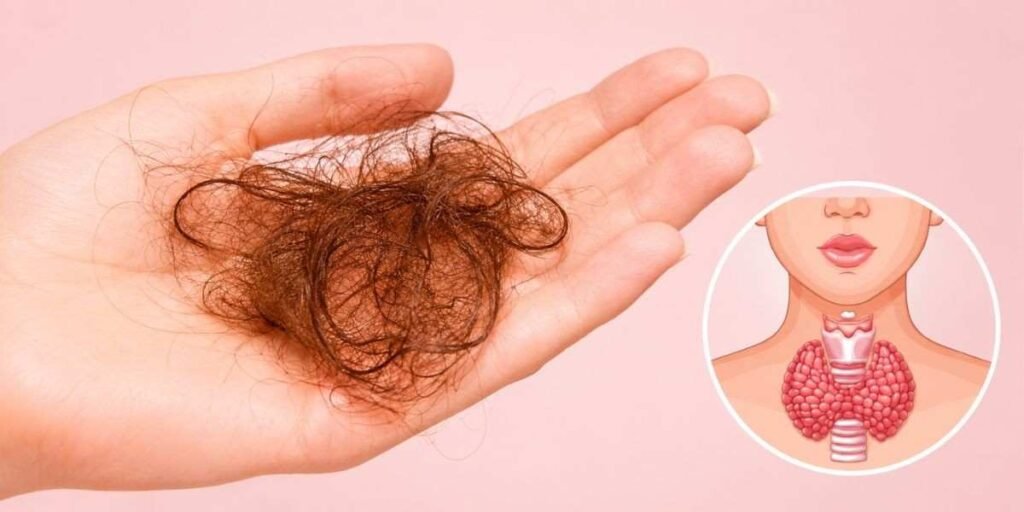
Thyroid disorders are significantly more common in women and can be an underlying, treatable cause of hair thinning. Once thyroid levels are properly managed with medication, hair often begins to recover on its own over time.
Hormone Replacement Therapy (HRT) for Menopause-Related Loss
For women whose hair thinning is tied to perimenopause or menopause, some doctors discuss hormone replacement therapy as part of a broader treatment plan. HRT works by restoring some of the estrogen depleted during menopause, which can help relieve menopause-related hair loss for some women.
Cloud Nine
Important: HRT is a significant medical decision with its own risks and benefits unrelated to hair, so it should only be considered in consultation with a doctor who can evaluate your full health picture.
Anti-Androgen Medications
Certain medications that block androgen activity are sometimes prescribed for female pattern hair loss, particularly when hormonal imbalance is a contributing factor.
Important note: finasteride, a common anti-androgen used for male hair loss, is generally not prescribed to women of childbearing age due to risks during pregnancy, so any anti-androgen approach needs careful evaluation by a doctor familiar with your full medical history.
Assure
Exosome Therapy
An emerging, newer regenerative treatment that uses extracellular vesicles containing growth factors to stimulate follicle activity, often positioned as a next step beyond PRP.
Where it stands: this is a newer option still being studied, so it’s worth discussing thoroughly with a provider who can explain the current evidence and realistic expectations.
Scalp Micropigmentation (SMP)
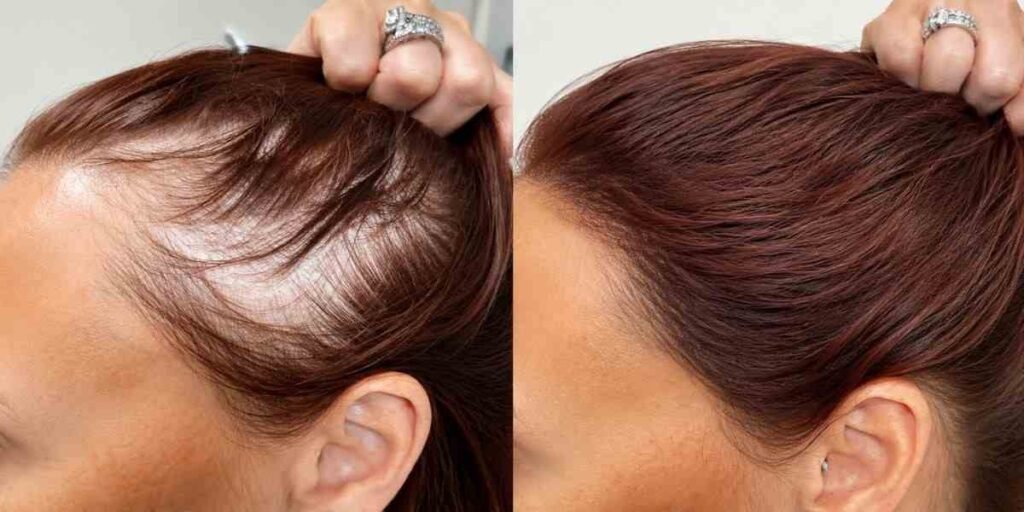
This is a cosmetic, non-medical option that uses tattooing techniques to create the appearance of density on the scalp, often used to camouflage thinning rather than regrow hair.
Best for: women looking for an immediate cosmetic solution rather than a biological treatment, sometimes used alongside other regrowth-focused treatments.
Hair Transplant Surgery
For more advanced or long-standing hair loss, surgical hair restoration remains the only permanent, one-time solution, moving existing follicles from denser areas to thinning ones.
Who it’s typically recommended for: surgical consultation tends to become appropriate after diffuse thinning has stabilized and there’s adequate donor density elsewhere on the scalp.
Charles, Glenn
Gentle Hair Care and Styling Adjustments
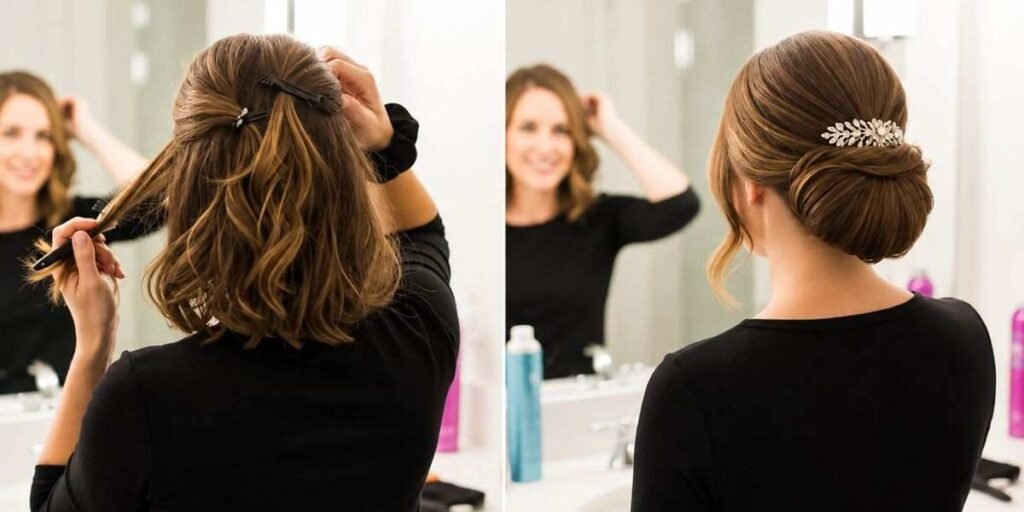
While not a medical treatment on its own, supportive habits make a real difference alongside any treatment plan: low-tension hairstyles, gentle detangling, minimal heat styling, and regular scalp care all help protect the hair you have while treatments take effect.
Wigs, Toppers, and Extensions
For many women, a well-fitted wig, topper, or set of extensions offers immediate confidence while medical treatments work in the background or serves as a long-term styling choice on its own terms.
Worth knowing: modern options range from natural-looking human hair pieces to lightweight synthetic toppers designed specifically for thinning areas, rather than full coverage.
How to Choose the Right Path
A few honest questions to bring to your dermatologist appointment:
- What’s actually causing my hair loss? The right treatment depends entirely on the underlying cause.
How long will this treatment take to show results? Most medical treatments take months, not weeks.
Is this treatment something I’ll need indefinitely, or a finite course? Some options (like minoxidil) require ongoing use; others (like PRP) may need periodic maintenance.
Frequently Asked Questions
Is hair loss in women reversible?
It depends on the cause. Many forms of female hair loss respond well to treatment, especially when addressed early, though some causes like severe traction alopecia or certain autoimmune conditions can involve permanent loss in affected areas.
How long does it take to see results from hair loss treatment?
Most treatments, including minoxidil and PRP, take several months of consistent use before visible improvement, and patience is a genuine part of the process.
Can I combine multiple treatments?
Yes, many women use a combination approach for example, topical minoxidil alongside microneedling or PRP but this should be guided by a dermatologist familiar with your specific situation.
Do I need to see a doctor, or can I just try over-the-counter options first?
Topical minoxidil is available over the counter and reasonable to try for general thinning, but if shedding is sudden, significant, or paired with other symptoms, seeing a dermatologist first can save time and help identify a treatable underlying cause.
Final Thoughts
Female hair loss is common, treatable in many cases, and no longer as under-addressed as it once was. From simple, over-the-counter options like topical minoxidil to advanced procedures like PRP and hair transplantation, there’s a wider range of evidence-based paths available than most women realize.
The most important step is getting an actual diagnosis before choosing a treatment that alone can save months of trial and error, and point you toward the option most likely to actually work for your specific situation.
